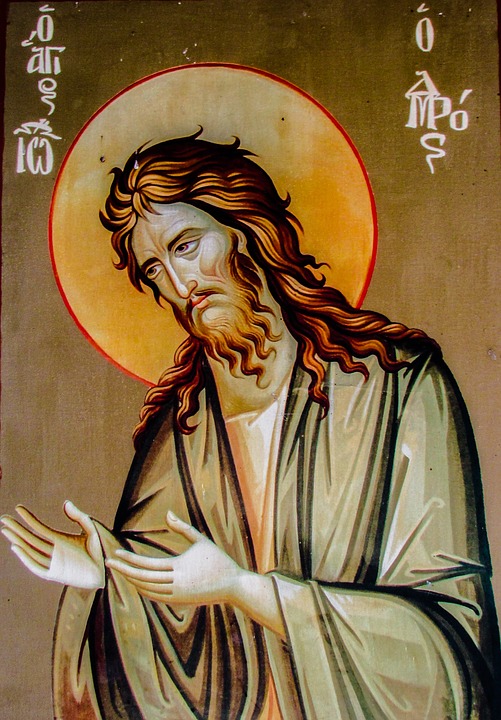
Interested in the contours of your inner faith journey?
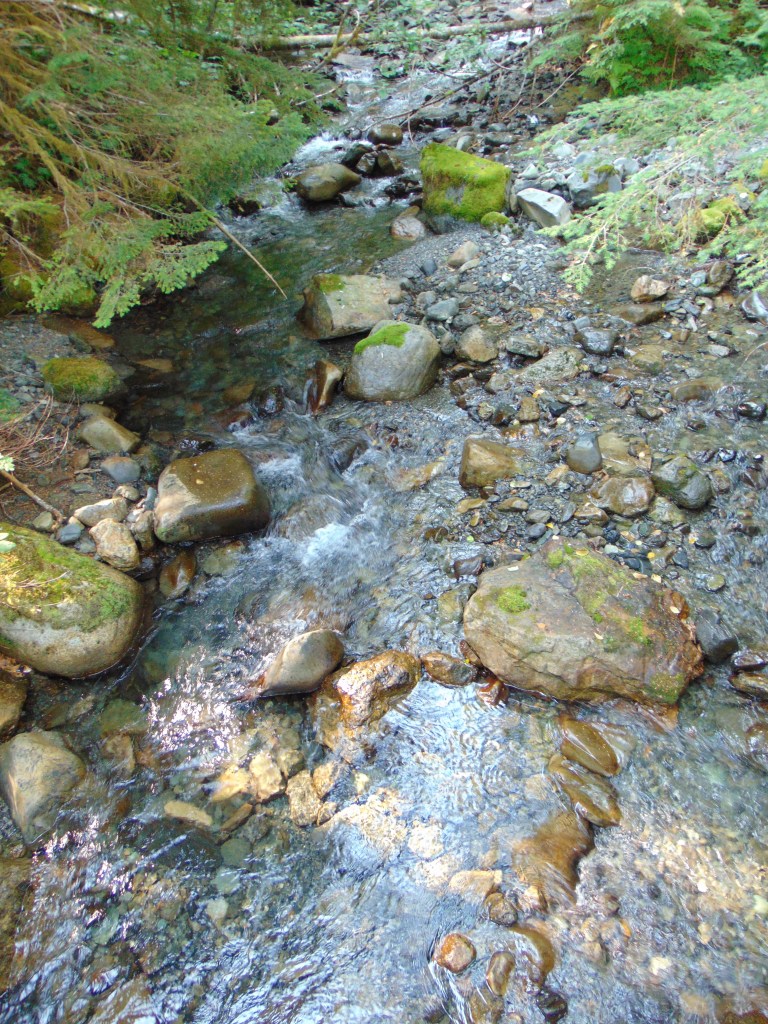
As an introvert and as one easily drawn to religious ritual, the contours of the inward journey – both my journey and the journeys of other people – have always been of interest to me. Do you also take an interest in the experience of the inner faith journey?
Some people, I hear, avoid their inner experience. The human condition inherently includes challenges – including dark corners within our individual psyches and the uncomfortable emotional debris we acquire from bumping up against life’s difficulties. Thus, some people prefer to focus outwardly so as to avoid the darkness and difficulties that lie within. Some societies encourage an outward-focused, extroverted existence.
Yet, our inner journeys are ever so remarkable and worth engaging in! Any darkness that is avoided doesn’t go away by ignoring it. One has to engage with it, sort through it, walk through it. “Wrestle one’s demons,” if you will. Engaging with one’s inner experience can lead to healing from life’s ragged edges, to a more fruitful wholeness, and to the amazing relationship with God that God wants to have with us – a journey that is very worth the trip.
A number of ponderings are offered below from writers, quotes, and books about engaging with our inward faith experience:
Treading into the Spiritual Depths: The (not depressing!) Dark Night of the Soul
Teresa of Avila and her protege John of the Cross – 16th-century Spaniards – are my two favorite mystics. In his book Dark Night of the Soul, John of the Cross writes about how the sometimes unviewable-to-us aspects of our inner faith journey are part of where God works within us to transform us (rather than this title being about a depressive view on things!). Attentiveness to our inner journey can allow us to at least a glimpse of when this (at least somewhat) unviewable aspect of our spiritual growth is being wrought within us – particularly if we have an active relationship with God in prayer (I write about such prayer here).
Gerald May’s book of the same title speaks to this idea about “The Dark Night of the Soul”: “May emphasises that the dark night is not necessarily a time of suffering and near despair, but a time of deep transition, a search for new orientation when things are clouded and full of mystery. The dark gives depth, dimension and fullness to the spiritual life.”
Is there joy in the inner experience?
Absolutely. Irish writer John O’Donohue articulates this well: “I would love to live like a river flows, carried by the surprise of its own unfolding.”
Prayer is also where we inwardly have a personal relationship with God via prayer. When such a relationship is an active one, it can be amazing and fruitful. I sometimes write about the particulars of an active prayer life; please feel welcome to read one such blog posting here.
The Inner Journey and Walking
I’m known for walking. All over town. Friends started something of a “Where’s Waldo” conversation about where they see me pop up around town (they were entertained by this conversation!). “I – or we – saw Kim walking ‘over here,’ at ‘X intersection’ or at ‘Y location….'” As a result of people knowing that I walk, a friend gave me a book called Wanderers: A history of women walking and a book by Thich Nhat Hanh called How to walk. I loved both books. Walking, as discussed by these books, is a time when some people – myself included – ponder. It turns out that a search on Goodreads for books titled “Women who walk leads to a long listing of relevant books. There is even a network called Women Who Walk.
Enjoy the inner journey!
Kim Burkhardt blogs at A Parish Catechist and The Books of the Ages. If you are a new visitor, it would be great to have you follow this blog (thank you!). If you know someone who would like this blog post, please share it with them so they can subscribe (thank you!).