Further consideration of “Embodying Forgiveness”
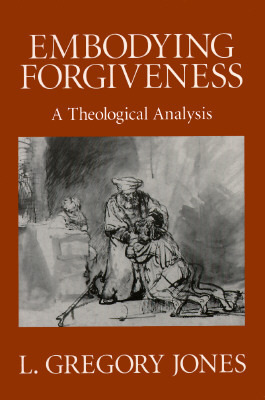
I reviewed L. Gregory Jones’ book Embodying Forgiveness: A Theological Analysis in early January. The book is important enough to discuss a second time.
Embodying Forgiveness is not a quick read. It’s written rather academically. It is densely packed with important ideas that require thoughtful reading. The book is about a sometimes difficult topic that can take great commitment to apply in one’s life. The book also supports a well-lived faith in which we – as a friend often says – do the “adulting” of living one’s faith (i.e., we grow up and live out the responsibilities we are called to do. In fact, this book helps us “find our inner adult!”). This is the type of book to read when we want to move beyond “easy principles of faith” and fluffy phrases to a faith in which we grow and mature. In other words – it draws us toward meaningful liberation and to living in right relationship with God and the people in our lives. The principles in this book can be intimidating, but that doesn’t mean that the book is a “nonjoyous downer – it’s liberating. In this book, we learn about living for our community rather than being self-centric. We learn about giving up self without being a doormat. Good news: the author draws readers toward practicing forgiveness, making it palatable when forgiveness feel unpalatable.
This book is so important that I’m posting several excerpts (hint: yes, this is an effort to tempt readers to read the book!):
- “Forgiveness has long been hard to embody, even among those committed to its importance” (page xi).
- “…the craft of forgiveness involves the ongoing and ever deepening process of unlearning sin through forgiveness and learning, through specific habits and practices, to live in communion – with the Triune God, with one another, and with the whole Creation” (page xii).
- The ideas in this book move “beyond….pious, sentimental affirmations that ‘Jesus is my friend,'” to friendship being “a much more formative and transformative relationship” (page xiii).
- “….forgiveness serves primarily not to absolve guilt but as a reminder, a gracious irritant, of what communion with God and with one another can and should be: and so it should enable and motivate our protest against any situation where people (either ourselves or others) are diminished or destroyed” (page xvi).
- “….the purpose of forgiveness is the restoration of communion, the reconciliation of brokenness” (page 5).
I am the type of reader who thinks that a book worth reading should be read in its’ entirety. In the case of this book, reading even just a chapter or two – and really applying it in one’s life – would move a person forward in a faith well-lived. A worthwhile read!
Kim Burkhardt blogs at A Parish Catechist and The Books of the Ages (and a member of the Association of Catholic Publishers). If you are a new visitor, it would be great to have you follow this blog (thank you!). If you know someone who would like this blog, please share it with them (thank you!). You can also support this blog by clicking here when you are going to shop on Amazon (that lands A Parish Catechist a commission on Amazon sales).
