Prayer: Standing on the Threshold
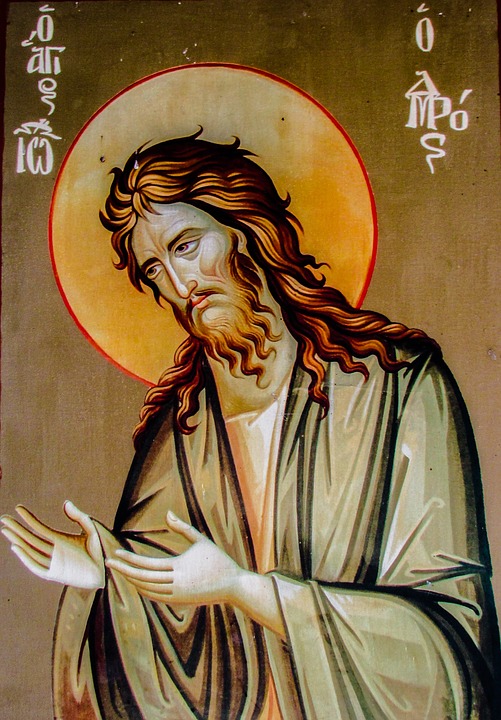
Rev. Maria Grazia Angelini O.S.B. wrote – in an article addressed to the October, 2023 Synod in Rome: “As we prepare to celebrate the Eucharist, let us permit ourselves a little ‘statio‘ on the threshold. Since listening to the Word is never – for anyone – a matter of course. To make it possible, we are asked to stand on the threshold. We are asked to gather from dispersion the thoughts of the mind and the feelings of the heart, to rediscover in them an open question, indeed an invocation. Only in this way will it be possible to hear the Word, the delivery of the body and blood of Jesus, the Son. The words of Jesus, the words all of the Holy Scriptures are our “mother tongue’. And yet there is always a need to regain possession of that language. Such a need is signaled precisely by Jesus’ supreme gesture.”
So it must always be, too, with prayer. Rather than prayer being an activity sometimes thought merely to be a uni-directional communication from us to God, prayer is meant – and in its’ fullness is – a “gather[ing] from dispersion [of] the thoughts of the mind and the feelings of the heart” to pausing on the threshold of our own existence, willing to vulnerably be in the presence of God. In such instances, when in private prayer, no human language needed. God’s presence to us in prayer is fullness of prayer.
Certainly, there are also times for additional forms of prayer – talking to God about our lives (either our own prayer or psalms), intercessory prayer, rote prayer, being in community of prayer at church….. My own favorite prayer is when vulnerably feeling God’s presence is the totality of the prayer experience (my second-favorite prayer is when we sing in exultation at church services such as Easter and Christmas!). Dry periods of prayer – when we don’t feel God’s presence – can also have value (though less exultative on our end); John of the Cross aptly points out that willing to allow God to be present within us allows God to form and change us – even if we don’t sense change that is happening “beneath the surface” while it is happening. The beneficial/productive work God does within us at such times becomes clear to us later. God loves us.
Kim Burkhardt blogs at A Parish Catechist and The Books of the Ages. If you are a new visitor, it would be great to have you follow this blog (thank you!). If you know someone who would like this blog post, please share it with them (thank you!).
