How do you experience silence during prayer?
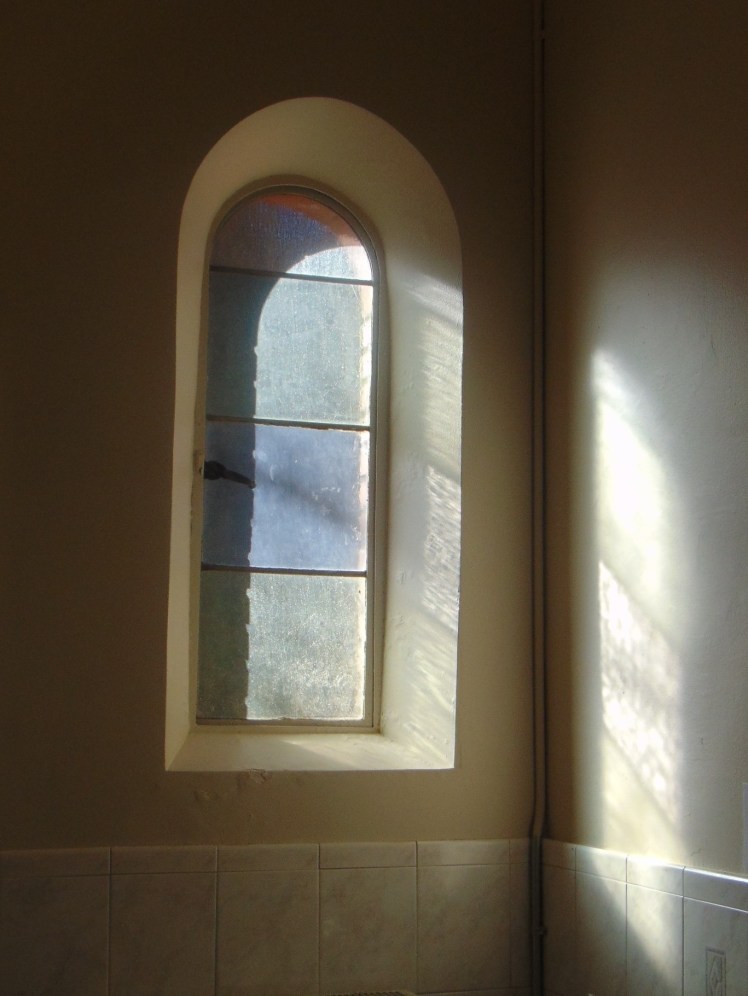
St. John the Evangelist Church, Seattle

As discussed in the book The Tradition of Catholic Prayer by the Benedictine monks of Saint Meinrad Monastery, there are a myriad of ways to pray: rote prayers (The Lord’s prayer, the Hail Mary, etc.), sacred music, unstructured “talking to God,” attending church, contemplative prayer……

In some forms of prayer – including contemplative prayer and the intentional periods of silence at church – there is designated time for silence.

How do you experience silence during prayer? How often do you talk to people about how you experience the silence within prayer? By the time you get to the end of this blog post, try to have a one-to-two sentence verbal description of how you experience silence during prayer.

This is an interesting question. How people experience silence during prayer varies widely.

Western society doesn’t encourage silence. Our society rewards busyness and extroversion.

Some people go to great lengths to avoid silence. Silence requires engaging with one’s inner world – which is where our own unresolved challenges, nagging questions, and any personal darkness lives.

In some cases, people don’t know how to be silent in prayer. For such people, silence – and, perhaps, figuring out how to avoid distractions – is a practice that must be learned.

For some people, the periods of structured silence at church is a time for reflection.

The un-silence of religious music – such as Gregorian Chant – can lift us to the highest peaks of religious inspiration.

Some people who find silence in prayer discover an unexpected richness that opens new doors in their faith journey.

In 2016, I was graced with the unexpected experience of God loving me within un-sought contemplative prayer (more of that story is told here). Ever since then, silence in prayer – often where there is “resting in God’ presence with no human language – is an absolute necessity that nourishes me. Sometimes, I do interiorly use human language when I pray. For example, when I recognize a need for me to improve in some way, I ask God to move me forward. I then “turn over to God” whatever it is that needs to change. Then, I wait and observe what kind of change in my thoughts or behavior begins to materialize. Often, useful and positive change that I couldn’t have brought about myself begins to emerge.

What happens in your experience when you sit silently in prayer? In encourage you to actively consider this question and articulate your answer to another person within the next week. If your answer to this question is that you don’t engage in silent prayer or find it difficult, commit to making an effort to pray silently for the next month. Pray silently for five minutes per day, twice per day (FYI, many contemplative prayer groups do twenty minute silent prayer sessions). If you need some direction or assistance, try reading book The Tradition of Catholic Prayer by the Benedictine monks of Saint Meinrad Monastery. Also, you can attend our upcoming workshop on prayer (we welcome everyone to register!).

~

Thank you for reading this faith blog and for sharing it with your friends (we appreciate the word-of-mouth). Readership and donations ($$) help to sustain The Hermitage Within. Please consider contributing some of your year-end giving to support this blog ($$). Your donations help make these blog posts and our online faith events accessible to everyone. Thank you.
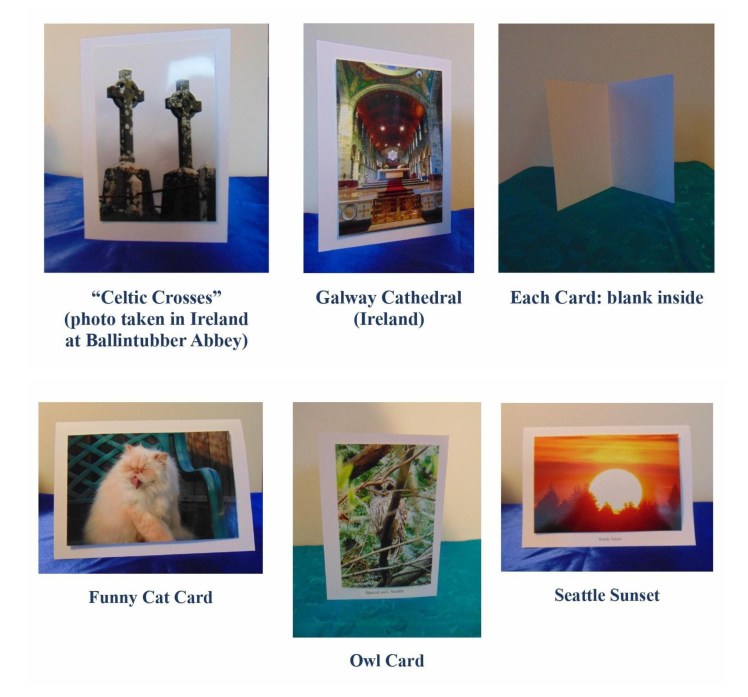
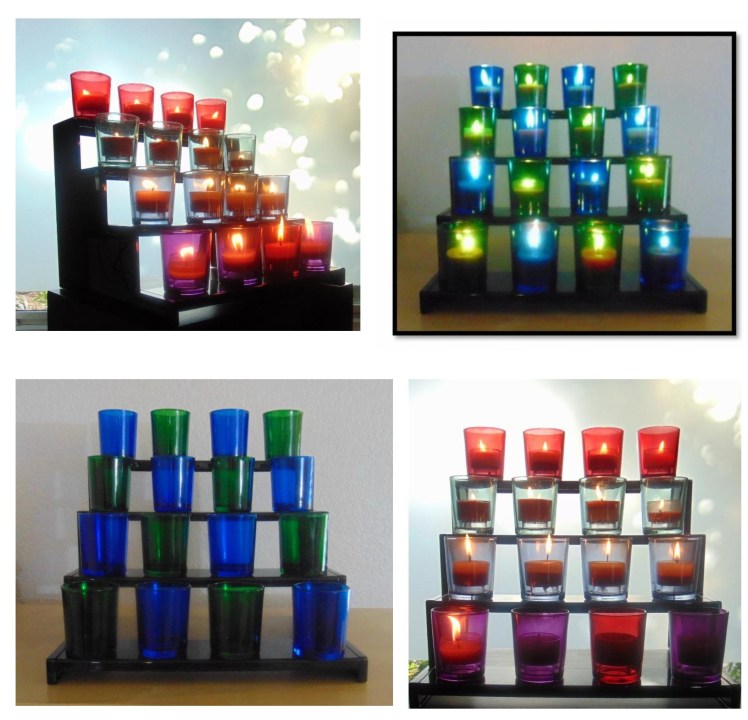
Artsy faith gifts for the people in your life!

Artsy faith gifts are a great way to celebrate the people of faith in your life.

Now, you can celebrate the people of faith in your life while supporting independent artisans at the Hermitage Within.

Birthdays, sacraments, anniversaries, holidays, “thinking of you” – every day is a great day to cheer up someone with our greeting cards and church-style candle sets. Visit our arts faith gifts page for more information about our artsy gifts!

Visit our arts faith gifts page to find your next artsy treasure!

Visit our arts faith gifts page to find artsy faith gifts for the people in your life!

Symbolism in the Gospel of Mark

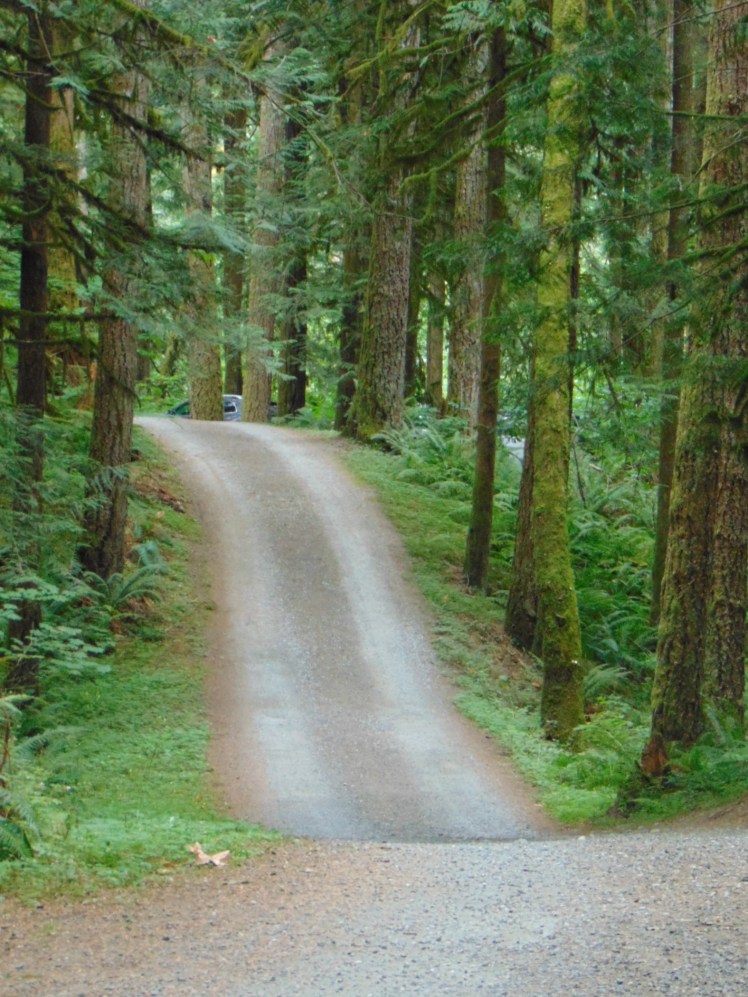
Nature path

In my Master’s in Theology program, we are reading the Gospel of Mark this week. Mark is thought to have been the first of the four canonical gospels to have been written – probably in about year 70 (the year of the destruction of the temple). The other two synoptic gospels (i.e., similarly fashioned gospels) – Matthew and Luke – are thought to have drawn from Mark.

When I sat down this morning to read Mark’s gospel, I saw it with fresh eyes. I previously read the entire Hebrew Bible and New Testament from the first page of Genesis to the last page of Revelation, but that was well prior to having much biblical instruction. I then took a several-weeks class on Mark perhaps seven or eight years ago. Yet, I am still seeing it anew.

The first chapter of Mark – the beginning of the message of Christ in writing – leads us directly into redemptive symbolism.

Mark begins with a prophetic Hebrew Bible quote from Isaiah: “See, I am sending my messenger ahead of you, who will prepare your way, the voice of one crying out in the wilderness: ‘Prepare the way of the Lord; make his paths straight.’ so John the baptizer appeared in the wilderness, proclaiming a baptism of repentance for the forgiveness of sins. And the whole Judean region and all the people of Jerusalem were going out to him and were baptized by him in the River Jordan, confessing their sins.” (Mark 1:2-5).

So much symbolism to unpack in one short paragraph. Isaiah is part of the Old Testament; the Old Testament foreshadows the New Testament, the New Testament fulfills the Old Testament. The preparer of the way – Jesus’ cousin John the Baptist – is to be “the voice of one crying out in the wilderness” (he was literally in the physical wilderness). Symbolically, when we are not living in relationship with God we are “in the wilderness” – an emotional/psychological/spiritual wilderness…… As an aside, wilderness is still used as a literary device in literature to symbolize being in a fearful or unruly psychological state away from a well-ordered societal environment where we feel safe. Think of the Hansel and Gretel fairy tale.

Then, there is Mark 1:9-11: “In those days Jesus came from Nazareth of Galilee and was baptized by John in the Jordan. 10 And just as he was coming up out of the water, he saw the heavens torn apart and the Spirit descending like a dove upon him. 11 And a voice came from the heavens, “You are my Son, the Beloved;[h] with you I am well pleased.”

The River Jordan is where the Israelites had crossed in the Old Testament from slavery in Egypt and from wandering in the wilderness for 40 years for disobeying God to enter the promised land. In baptism, we are freed from slavery and from life in the wilderness (i.e., from our confused darkness wandering) to enter into the promised land.

Immediately upon Jesus’ baptism, the Gospel of Mark writes, “And the Spirit immediately drove him out into the wilderness.  He was in the wilderness forty days, tested by Satan, and he was with the wild beasts, and the angels waited on him (Mark 1:12-13).”

Whenever we are provided God’s grace (as in baptism), Satan wishes to tempt us away from living in loving relationship with God. And, again there is the number 40. The Israelites had been sent into the wilderness (the untame place) for disobeying God, Satan tempted Jesus for 40 days. In biblical literature, a period of 40 (40 years, 40 days) is a period of purification and cleansing.

After Jesus’ 40 days in the wilderness, he began drawing people to God: “Now after John was arrested, Jesus came to Galilee proclaiming the good news of God and saying, “The time is fulfilled, and the kingdom of God has come near; repent, and believe in the good news.” (Mark 1:14-15). In subsequent passages, Jesus began healing people and driving out unclean spirits. In other words, drawing us to God and healing us.

Kim Burkhardt blogs about faith at The Hermitage Within. Thank you for reading this faith blog and for sharing it with your friends. While you are here, please feel welcome to provide support to sustain this blog ($$).

New website name, same great blog!

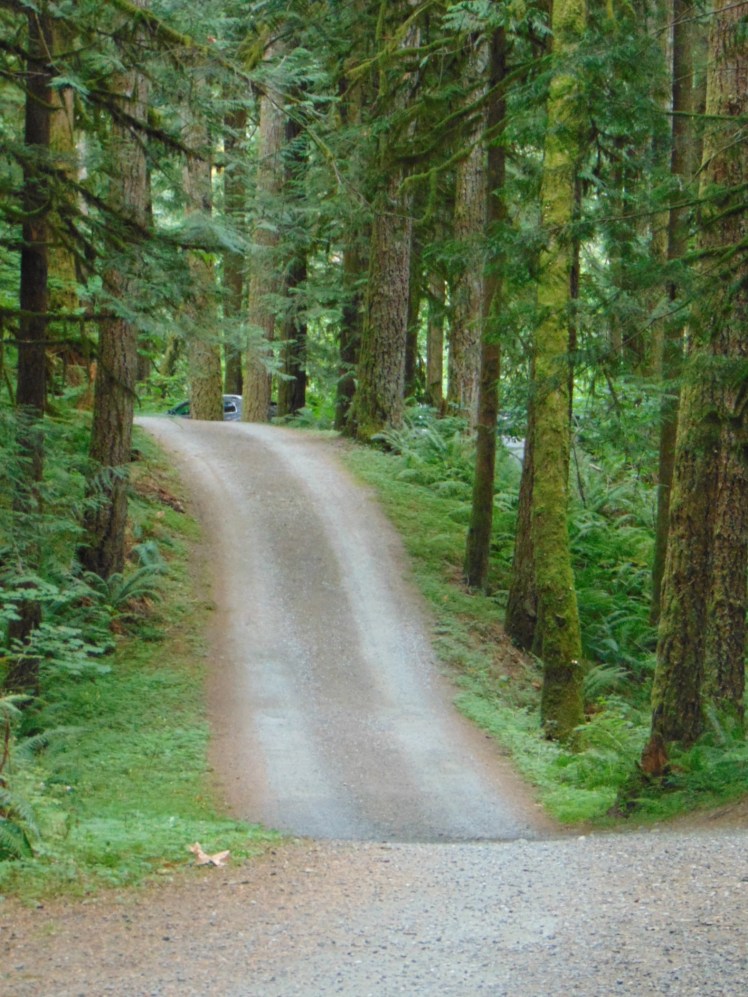
Image of road less travelled
May your faith journey be a road well travelled

Thank you for reading this Spiritual Accompaniment blog. The blog name that appears in your email inbox is “Spiritual Accompaniment.”

The website domain for this spiritual accompaniment website has been, until recently, http://www.parishcatechist.org . The website name has changed to The Hermitage Within . This new website name more broadly reflects the website and blog’s goal of spiritual reflection while also making it more search-friendly for new visitors.

You should continue to receive blog posts in your email with the name “Spiritual Accompaniment.

In addition to continuing to receive our blog content via email, we invite you to visit our updated website.

FYI…. In the coming months, we will begin offering an additional faith development program to nurture your “hermitage within.” Nurturing adult faith development is our goal! We will provide more information about this program in the months to come.

Until then, continue to enjoy our spiritual accompaniment blog.

Kim Burkhardt blogs about faith at The Hermitage Within. Thank you for reading this faith blog and for sharing it with your friends. While you are here, please feel welcome to provide support to sustain this blog ($$).