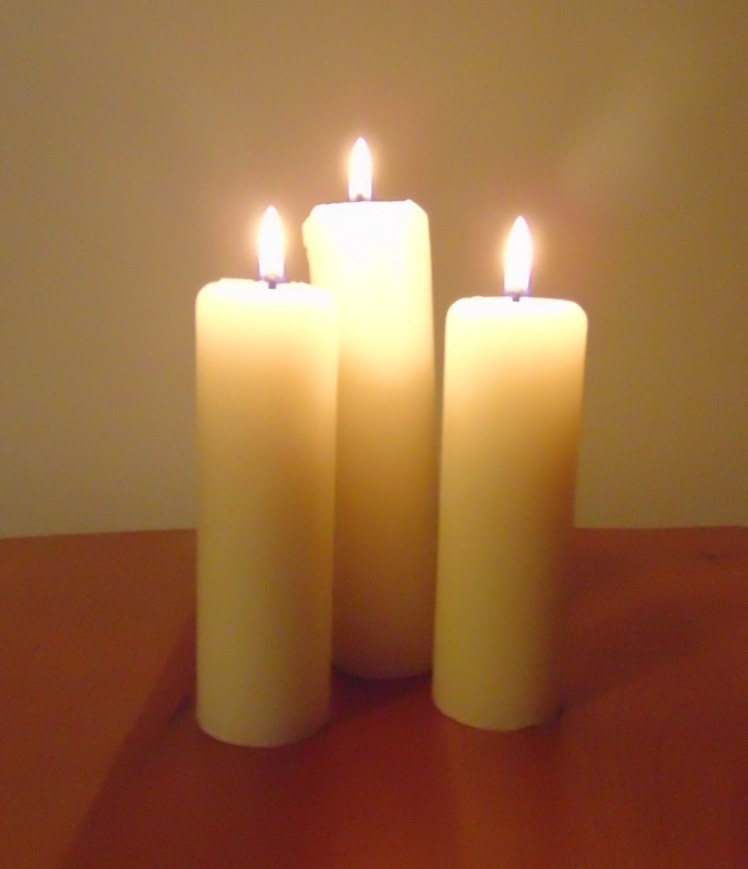
In the book Reading Lolita in Tehran, author Azar Nafisi writes of learning from her introverted husband about “the many moods and nuances of silence: the angry silence and the disapproving one; the appreciative silence and the loving one.”
There are, likewise, “many moods and nuances” in the silence of personal prayer:
- The awe when we encounter God’s presence
- The lonely distance when we feel separated from God
- Our outpouring of self – our emotions and experiences – when we offer everything within us and within our lives to God
- Angst when we bring the frustrations of our human experience to God
Then, there are the “many moods and nuances” of public prayer:
- The psalms we sing in church to bring to God our wide range of human experience and petitions
- Intercessory prayers we “offer up” at church
- The joy inherent to our “songs of praise”
- Rote prayers during services – The Lord’s Prayer, etc.
- Prayers offered at public events
Just as there are many variables and phases in our relationships with people, there are changing variables and phases in our relationship with God. This is a good thing.
Whatever we might expect of prayer, our prayer needs to be active, regular and ongoing, dynamic, and changing. We grow and change over time. Therefore, our relationship with God cannot be what it was when we were children. Or when we were teenagers. Or five years ago. While God is ever God’s-self, the relationship between us and God is ever adjusting to “where we are” in that relationship and – if we actively pray on an ongoing basis – adjusting as we move through our lives…………
How does one pray?
Just as we have many differing relationships with the various people in our lives – and a variety of ways that we communicate with the people in our lives – there are any number of ways of communicating with God. A prayer style that works for one person may be very different than what works for the next person. Here are several approaches to prayer:
- Rote prayer (formal, memorized prayers – these are often provided to us by our houses of worship). Prayers such as the Lord’s Prayer are full of meaning and help us learn to pray. Such prayers give us ready prayer content that we can easily put to use.
- Psalms. The Book of Psalms – which were meant to be sung – are summarized by Wikipedia thus: the Book of Psalms are “an anthology of Hebrew religious hymns…including hymns or songs of praise, communal and individual laments, royal psalms, imprecation, and individual thanksgivings. The book also includes psalms of communal thanksgiving, wisdom, pilgrimage, and other categories.”
- “Talking to God.” Our spontaneous thoughts and words directed to God. God wants to have a relationship with us; relationships are two-way, be open to feeling God’s presence in response.
- Contemplative Prayer. Resting reflectively in prayer, without a need for words or any human language. Contemplative prayer can – and for some people, does – include a sense of God’s presence in prayer. For more information about contemplative prayer, visit Contemplative Outreach.
- Praying the Rosary. The rosary is a reflective way of praying a set of rote prayers with a formulaic set of Catholic prayer beads (focusing time on specified topics). Instructions for praying the rosary is available here.
- Lectio Divina. Lectio Divina “describes a way of reading the Scriptures whereby we gradually let go of our own agenda and open ourselves to what God wants to say to us” (this particular description provided by the Carmelites).
- Singing at church. “Those who sing pray twice” (a popular phrase in churches).
- Intercessory prayer. Intercessory prayer that we pray for other people. We come to God with the challenges of those who are in need of support.
Kim Burkhardt blogs at A Parish Catechist. If you are a new visitor, it would be great to have you subscribe to follow this blog (it’s free – thank you!). If you know someone who would like this blog, please share it with them and invite them to subscribe (thank you!).
